
Beware of the Greeks
and the gifts they bring
Their ringing grins
loud, obsequious dull vigilance
Muffle and drown your
noisy stomach rumbles
which betray how green
and greed filled you must be
Beware of the Greeks
and the gifts they bring
Their ringing grins
loud, obsequious dull vigilance
Muffle and drown your
noisy stomach rumbles
which betray how green
and greed filled you must be
Adaobi Nkelonye’s (@Adankelony) views on Father Uwem’s book “Say You’re One of Them via Say You’re One of Them.
and mine on the same in
do the two views conflict, compete or complete?
Adaobi Nkelonye’s blog is highly recommended for anyone with an interest in literature and development.
Noel

By
Noel Ihebuzor
Critics often react differently to a work of art. Some react to the theme, others to the content and yet others react to the considerations that may have guided the selection of content whilst others react to the narrative style, the way selected content and themes are presented. Put such reactions against the backdrop of authors’ claims to some creative independence and some would immediately argue that the author has a right to certain autonomy in selecting what to write on! In situations such as these, the conditions are set for conflicts between an author’s claim to independence and autonomy and the assumed rights of a critic to make judgments on artistic production.
In the field of African literary aesthetics, the issue of poverty porn is on that has divided author and critic most forcefully and sharply drawn the battle lines. There are essentially those who argue for author autonomy and those ranged against them in battles; who preach moderation and balance in content and how it is presented. Such conflicts are not new. In the 19th century, Stendhal had commented through one of the characters in his book “The Red and the Black” as follows:
“Ah, Sir, a novel is a mirror carried along a high road. At one moment it reflects to your vision the azure skies, at another the mire of the puddles at your feet. And the man who carries this mirror in his pack will be accused by you of being immoral! His mirror shews the mire, and you blame the mirror! Rather blame that high road upon which the puddle lies, still more the inspector of roads who allows the water to gather and the puddle to form.”
Similar strains have been heard in defense of stories that have been rated highly in the Caine Prize for Literature. Habila, a Nigerian writer and critic, uses Poverty Porn to refer to a “certain kind of literary work that represents Africa as a space of suffering, wretchedness, and despair.” Habila expands on this view in a scorching commentary:
“I was at a Caine prize seminar a few years back and the discussion was on the state of the new fiction coming out of Africa. One of the panelists, in passing, accused the new writers of “performing Africa” for the world. To perform Africa, the distinguished panelist explained, is to inundate one’s writing with images and symbols and allusions that evoke, to borrow a phrase from Aristotle, pity and fear, but not in a real tragic sense, more in a CNN, western-media-coverage-of-Africa, poverty-porn sense. We are talking child soldiers, genocide, child prostitution, female genital mutilation, political violence, police brutality, dictatorships, predatory preachers, dead bodies on the roadside. The result, for the reader, isn’t always catharsis, as Aristotle suggested, but its direct opposite: a sort of creeping horror that leads to a desensitization to the reality being represented”
In defense of the creative writer, one can ask bluntly – what is wrong with writing what you see, what you think you have seen so long as you are sure that what you write is what you see and not what someone has cleverly whispered into your ears or subtly manipulated you into thinking is what you see or what you must see? In the unfortunate case that what you write is what someone has cleverly planted in your psyche, perception is flawed and your scribbles are nothing but the echoes of another. Your narrative style is also likely to be vitiated. And that would be really sad. Similar sadness would also result if you were writing what you saw or see but presenting in a frame that conforms to or confirms another person’s judgment of your reality or his/her preferred image of your reality. In this second case, whereas perception could be objective, the presentation and narration of what is perceived is influenced by a desire to pander to the preferences of a target readership. Most stories written on African and about Africa have two target readership audiences in mind. There is the African readership and then there is the Western readership. The West has its own preferred images of Africa and the developing world. It is a world overrunning with images of poorly fed children, emaciated mothers and kids with running noses, singed copper-colored hair, shriveled limbs and bloated tummies vegetating in an environment filled with buzzing flies and overrun with dirt and signs of squalor. Other variants of the preferred images include images of cruelty, wars, famine, and machete-wielding red-eyed adolescents. These are marketed as metonyms for Africa and find outlets in programmes on TV and in publications by well-meaning but patronizingly condescending international NGOs who try to use such images in their fund mobilization efforts for Africa and the third world. Similar presentations of Africa and the third world have crept into the arts and creative writing where African realities are often presented as a series of unremitting tragedies, savagery, immorality and wretchedness.
Poverty porn is a term used by critics to describe works of art that attempt to depict a reality in such bold and extreme strokes that the reader’s response often becomes one of pity followed by an overwhelming sense of powerless. Like porn, the style is seen to be direct and with no efforts at diversion or depth. Sadness is layered upon sadness, bad situations fall on top of one another and a canvas of crushing negativity is imposed on the reader’s perceptual field as a result of the exhaustive description of sorrow and destruction which are projected ad nauseam as substitutes for critical distance, balanced narration, analysis and creativity.
Choice is one basic and foundational feature of every work of art. Every piece of writing involves a series of choices – at the phonological, lexical and syntactical levels. And a writer makes choices on what to present and the extent to which he/she goes presenting them. One feature of a good presentation is balance, and a presentation that lacks balance is deficient in many ways. Yet some writers, presenters and narrators carry on as if the concept of balance does not exist in their portrayal of realities. And this begs the question why this is so. Are some realities so strong that they overwhelm and force the descriptor or narrator to extremes in a bid to express the same shock that such painful realities imposed on his or her? One could well be reading the work notes of a morbid anatomist, enamored of his/her art and treating us to full screen presentations of malignant cells and dying and decaying tissues. Every line is so soaked in a suffocating dampness that depresses the reader, and this is true whether the writer’s prose is beautiful, elegant, cadenced and effortless, something which could give rise to the oxymoron “beautiful ugliness”. Whether written in beautiful prose or in deliberate destructive and discordant prose, the effect is the same – the layer upon layer description of poverty, of cruelty, of rot, of helpless souls trapped in it floods every bit of the reader with pity. It bathes you in a slow unending stream of negative images and imagery which ultimately wear you down. The unremitting negativity overwhelms and sucks you under. Sorrow triumphs at the expense of solution, surrender trumps any survival urge. Pity porn would appear to me to also be a good label for works in this genre.
Father Uwem Akpan’s book – Say you‘re one of them has been criticized as an example of this dangerous literary genre of poverty porn or pity porn. Published by Back Bay Books, it is a collection of five stories, all tragic and all overflowing with negative images. “An Ex-mas feast” is set in Nairobi and is a description of life, deprivation and survival in one of its largest slumps, “Fattening for Gabon” is set somewhere in the fuzzy land between Seme border and Nigeria and deals with child trafficking, “What language is that” is set somewhere around Ethiopia and is about tensions caused by linguistic differences. “Luxurious Hearses” is set in the north of Nigeria and is a tale of religious inspired violence and killings, and the last story “My parents’ bedroom” is a story around the genocide in Rwanda.
Apart from a few geographical and time inaccuracies in some of the stories, the stories and the research that informed them are pithy and informed by a commitment to realism. Yet one is overcome by a sense of sadness as one completes reading each story. There is no escape from the enveloping sadness, from the negativity that nibbles at the core of your being as you read about Africa.
One of the sharpest minds for now in African literary aesthetics is Ikhide Ikheloa. I am yet to meet him in person but judging from his many contributions, he is a man of great erudition, astounding intellectual depth, amazing energy, great wit and someone with a discernable social vision and commitment. He also has a strong aversion for poverty porn/pity porn and has deployed his massive intellectual energy, wit and sarcasm to come against any African writer he thinks is producing such. His views on Poverty Porn in the articles with link lines below are highly critical of Poverty Porn and its purveyors.
The comment below is sweltering:
“The mostly lazy, predictable stories that made the 2011 shortlist celebrate orthodoxy and mediocrity. They are a riot of exhausted clichés even as ancient conflicts and anxieties fade into the past tense: Huts, moons, rapes, wars, and poverty. The monotony of misery simply overwhelms the reader. …..The stories are uniquely wretched”.
Listen to Ikhide speak again:
“I am still fuming over the wretchedness of almost all the offerings on the shortlist of the 2011 Caine Prize for African Writing. Aided by some needy “African” writers, Africa is being portrayed as an issues-laden continent that is best viewed on a fly-infested canvas. Memo to the Caine Prize folks: It doesn’t have to be all about issues. Just tell me a story, any story”.
I have read somewhere where he blasts Father Uwem’s book as another example of poverty porn. Is this fair, I mean this effort to classify to classify Father Uwem Akpan’s book as belonging to this genre of poverty porn? Is Father Akpan wrong in describing what he sees or is his vision biased or his depiction exaggerated? Is the critic right in castigating a writer for choosing a point of view? And in response to the critic’s lambast, could the writer simply not respond by saying: You may not like it but that is what I saw and what I felt when I confronted the reality that prompted and released my creative impulse? Before such expostulation, can the critic not simply ask the creative writer to go check his/her eyes? Would such exchanges not raise key philosophical and epistemological issues about the objectivity and subjectivity of reality and perception?
We all know that life and reality are a blend of the good and the bad, of hope and despair, of wickedness and kindness or nobility and knavery. A good storyteller must then seek to capture this dual face of life and reality and not just focus only on the ugly or the good. Focusing only on the positive and optimistic can be as damaging as focusing on the negative and pessimistic. Voltaire’s “Candide”, for example, is a riotous routing of the dangers in unbridled and unchecked optimism! Voltaire Candide checked that unhealthy tendency and in many ways prepared the ground for the emergence of realism. Is the rage against poverty porn driven by a similar impulse to call out and check the sprouting of effusive negativity and pessimism in artistic depictions of the African reality?
If the answer is yes, the question then becomes how to distinguish works we can define as poverty porn. How is it different from other works of art? Could its distinguishing feature then be a deliberate choice by the author to exaggerate negativity without making an effort to balance such negative images with strategic injections of rays of positivity? For in life, there is sadness but within sad situations, a narrator who looks hard enough could find something that ennobles and which contains the seeds for the defeat of despair. Is one guilty of prescriptivism if one then suggests that the duty of an author could be to seek such balanced presentation even when one allows the author a right to betray a preference for giving the upper hand to the tragic?
I have lived experiences with backgrounds similar to those of two or three of Fr Uwem’s stories. I can say that these experiences can be presented in manners that do not create a numbing stasis and inability to respond creatively to life’s challenges?
The first one was sometime around 2002/2003. It was one of those slow mornings in a typical UN office I was heading. I was going through implementation reports line by line and also checking up to see which of the partners that we had advanced funds to had satisfactorily accounted for those funds. Then all of a sudden, all hell broke loose. The police had intercepted a vehicle loaded with children headed for the Idi-Iroko border. The stories the children told were not too satisfactory. They all claimed that the lady they were traveling with was their aunty but on close examination, the story turned out not be true. The lady was the wife of a highly placed person and was clearly well connected and the children were from Kaduna. She claimed she was taking the children to the Republic of Benin for a vacation project but again it was difficult to believe that as schools were still in session. This was beginning to look like a case of cross-border smuggling gone wrong and in the end, the children had to be returned to their parents with the assistance of the Ogun State department of Child welfare to Kaduna state. So child border smuggling is real. Uwem has a story that deals with such a situation – the difference is on the layered incidences of unremitting sadness in his story. It is such unremitting sadness, the pounding presentation of a sad reality that dwells extensively on negative episodes that in a way threaten to reduce the literary value of Uwem’s storytelling and to paralyze our ability to respond to it. In the case under review, I refused to be discouraged, always assuring the children that they would soon be united to their parents and doing my best to see that they were fed whilst they remained in the protective custody of the Ogun state government. Sad event, but positivity results in a happy ending.
My second experience was in 2004. I had just arrived Nairobi and after a few weeks living there, I decided to visit Kibera. I had two reasons to do this. The first was to satisfy my curiosity. The second was more professional. In 1996, I had directed a UNESCO funded project to produce a module capable of teaching urbanization in secondary schools in a manner that would reflect the innovative strands from the Rio, Cairo and Beijing conferences on the environment, population and gender respectively. Tall order! But I managed to assemble a very strong team made of demographers, sociologists, educationists, environmental experts and curriculum developers and we came out with an output that we were very proud of. A book of readings titled “An EPD approach to teaching Urbanization in secondary schools” edited by Professor UMO Ivowi and myself was also published. A lot of our background stuff on urban settings were gleaned from Ajegunle, the jungle.
Kibera, another slum, was thus my opportunity to test whether the “truths” we told about one slum had universal application. The visit to Kibera shook me to the roots. It brought tears to my ears. The poverty I saw there tormented me. It offended every sense of decency. Kibera’s inhabitants were more like animals trapped in a place with no exit. Later to achieve some catharsis, I wrote a long, rambling, poorly structured poem – A song for Kibera.
Later in 2005, I chanced upon “Say you’re one of them” and I was amazed to notice how despite the differences in genres, Father Uwem’s images and mine of Kibera had very strong resemblances. Was I doing poverty porn or writing down what I saw in this poem? Yes, I now recognize that I deliberately ended the poem on a note of rebellion, a note that affirmed my hope and prayer that the Kiberas of this world must no longer be allowed to exist and that social policy could put an end to Kiberas and wipe them off the face of Africa. Hence, my poem ends with a choice of positivity over negativity and optimism over pessimism.
What is my point? Two authors may confront and be inspired by almost identical realities but choices made all along the narrative trajectory could produce a difference in effect and could determine whether one is doing poverty porn or simply engaging in an exercise in realism.
By Noel Ihebuzor
(an instant reaction to Boomie Bol)
Lust, another 4 letter word
like other bads, bad,
badder, baddest,
for 4 letter love is the best
yet without lust, without it
all love is cold
without heat
with no hold
lust alone
ls but hollow bone
heat with no soul
hurts lips,hips and sole
give me love with lust
great loves know lust
for not all lust is physical
not all physical is bad
Spare me from
lust with no love
spare me its tears
fears and my tears

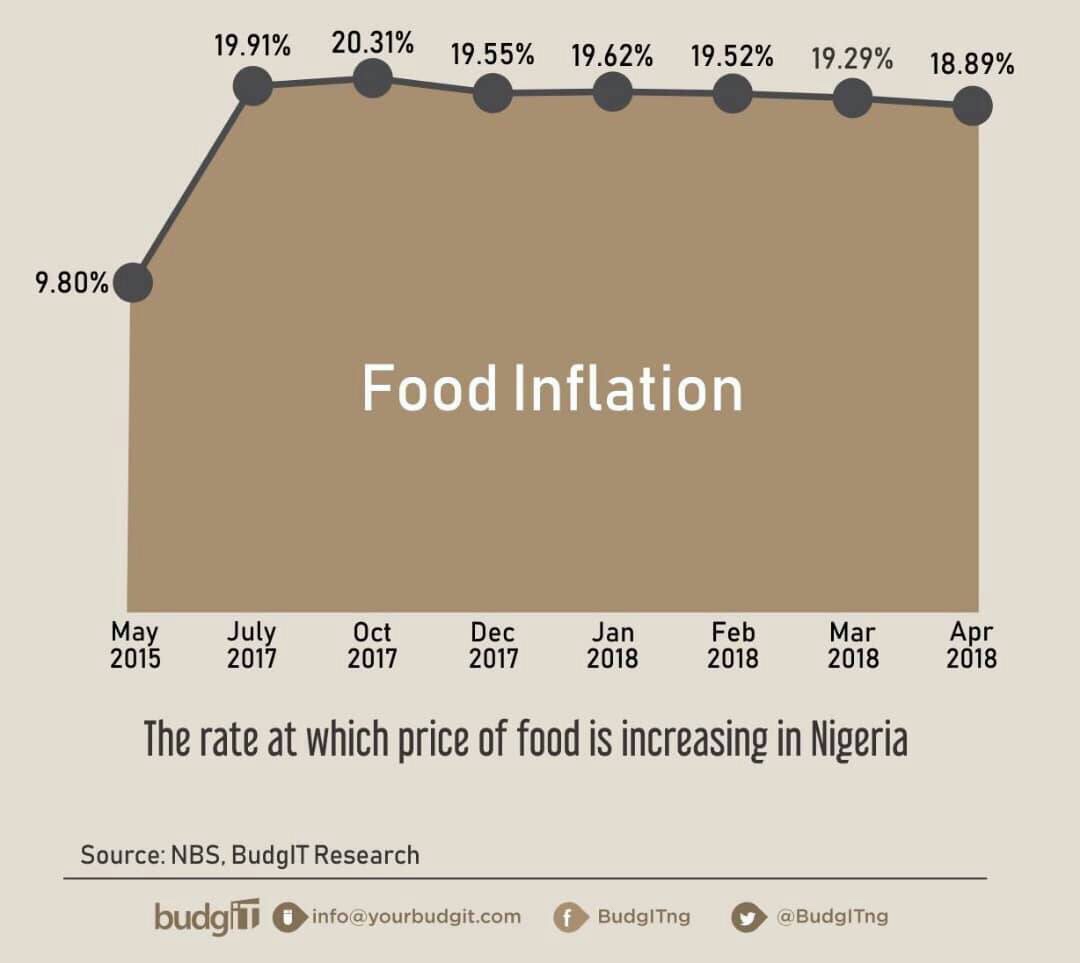
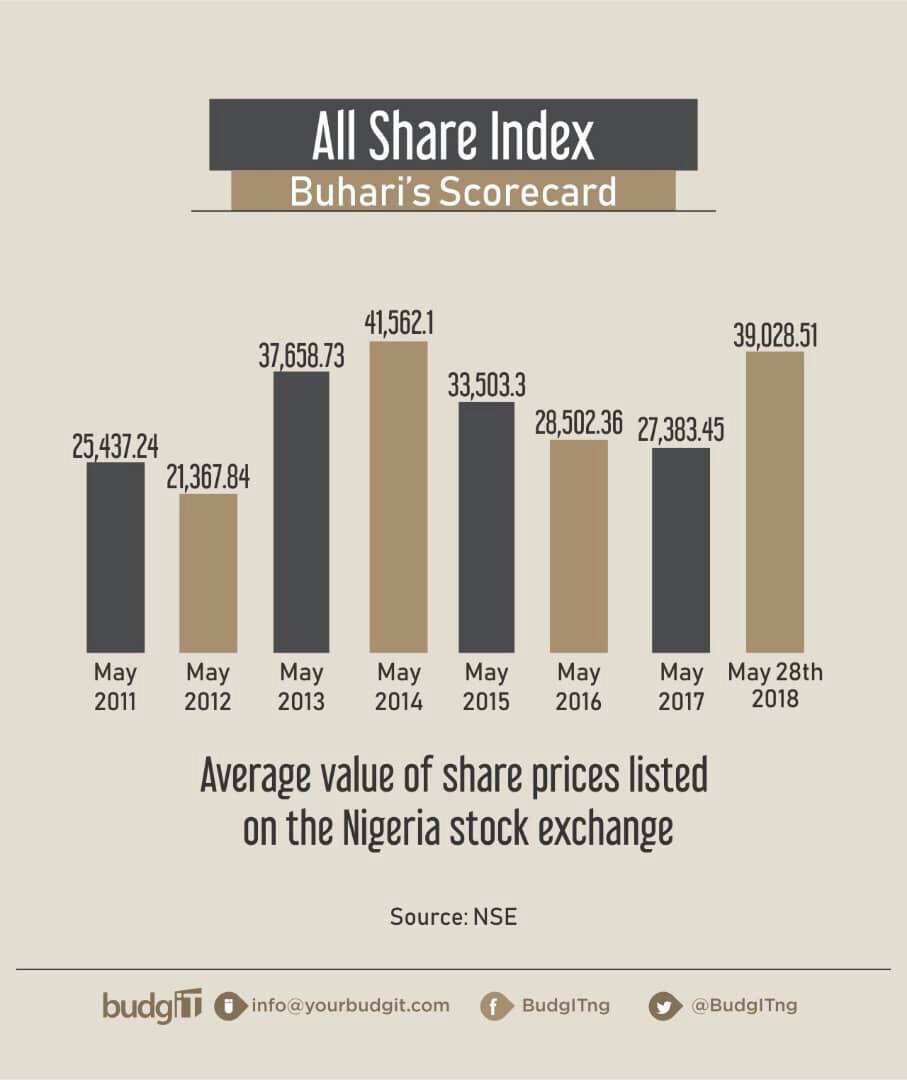
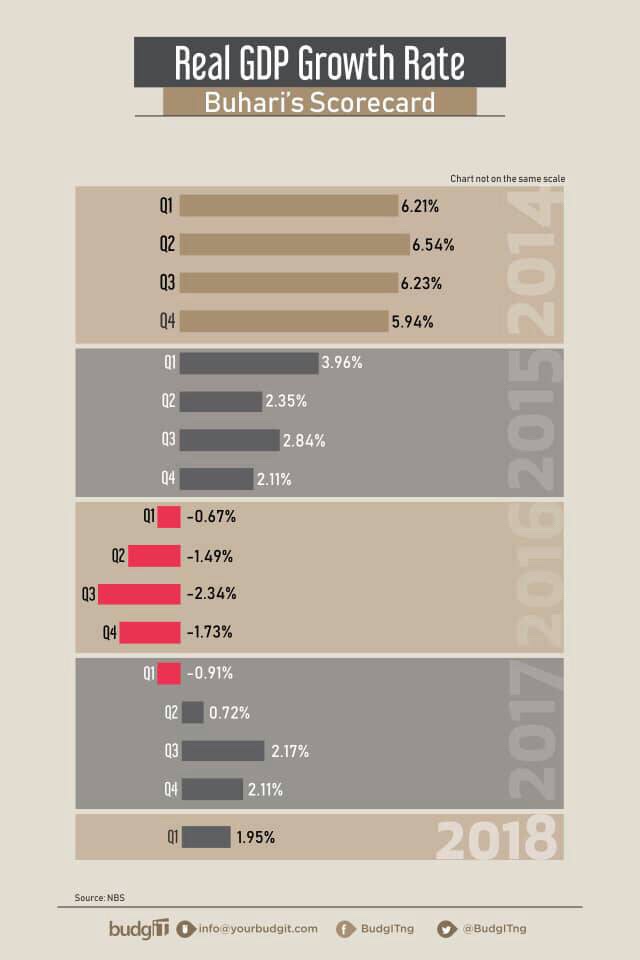
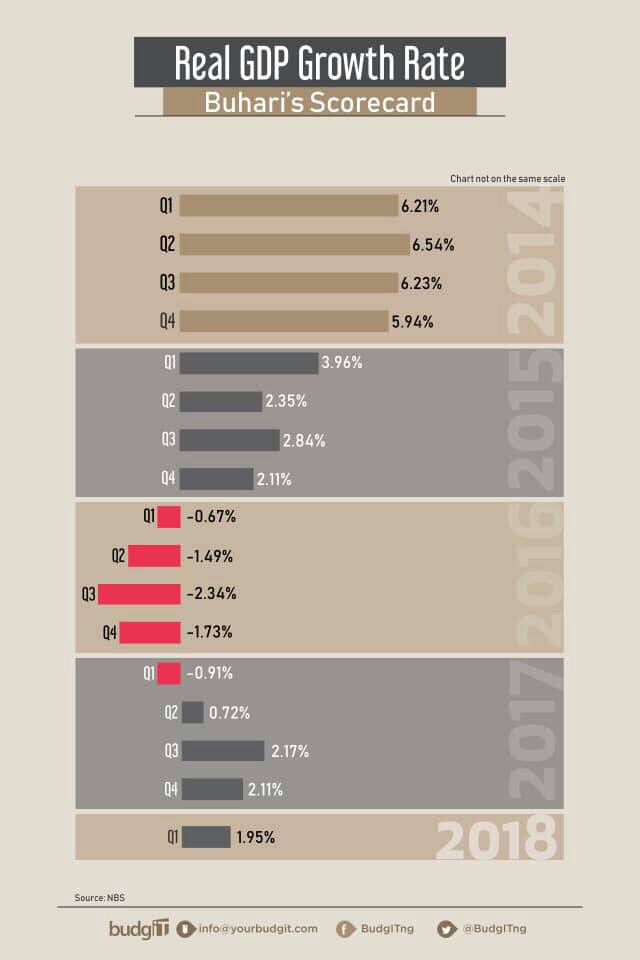


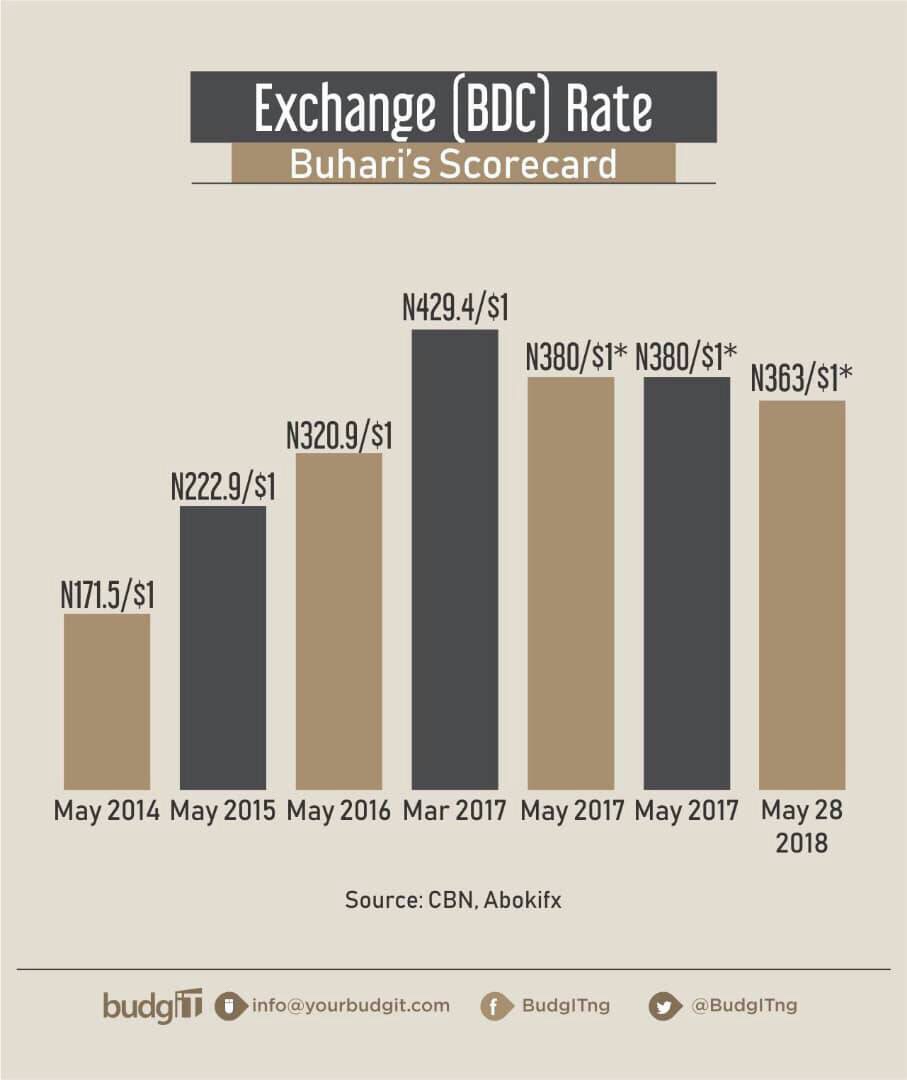
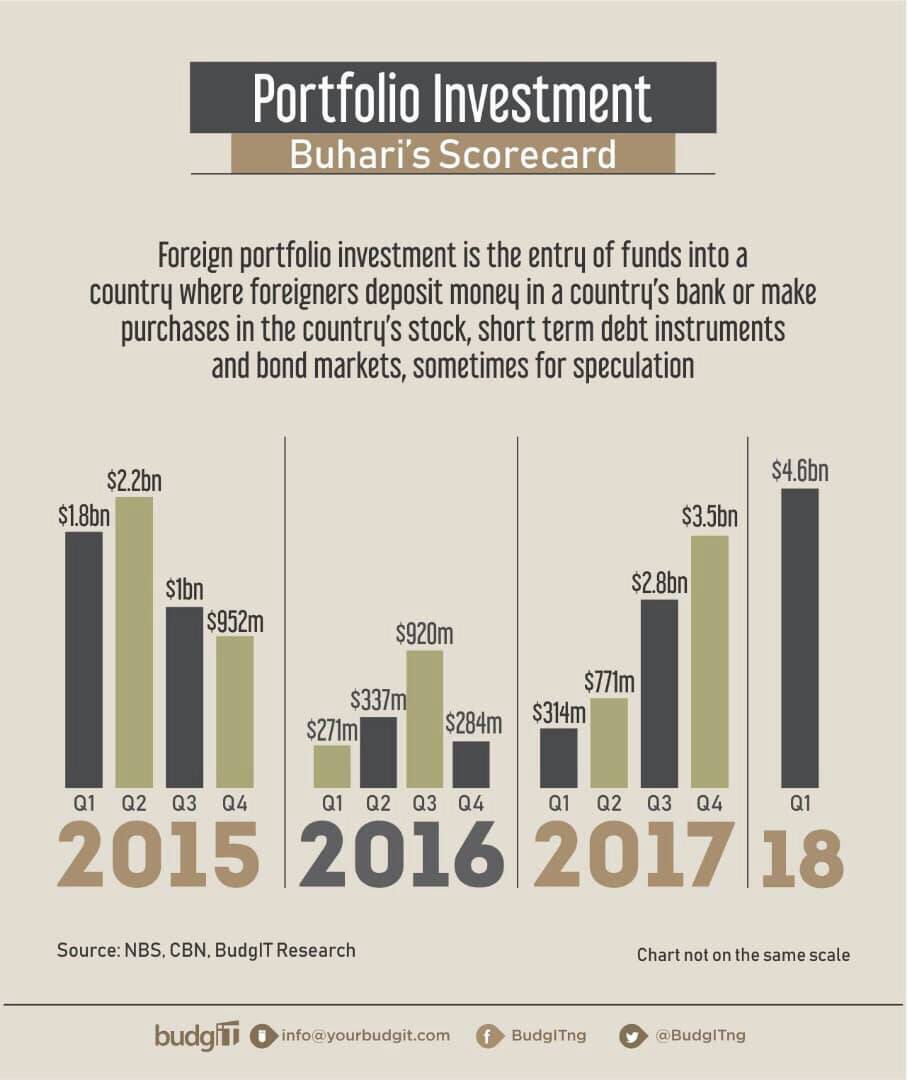


Social media often presents us in very succinct terms divergent views on the same phenomenon. Take the APC administration, for example. Since the 29th May, 2018, media has been swamped with claims and confutations of its successes and of its failures. This morning on Twitter, I came across two very diametrically opposed appraisals of its performance in the last three years – two views, two verdicts of its performance using broadly identical criteria and indicators! Certainly, the two views cannot be right at the same time. So, which is the correct view? Which is the more balanced appraisal?
I present both appraisals with apologies for any unintended violations of copyright to their authors!
Is it this ?
or this?
Choose your choice and state your reasons
Truth is often bitter but it is the perfect antidote to self-deception. Truth also helps protect the public from undue manipulation and mind control by governments and their licensed agents and spinners anxious to sell smoke, hype and inaccuracies to a population seduced by adulation and trapped by credulity. We need social critics and activists who are willing to speak evidence-based truths to rulers and the ruled. Chidi Odikanlu’s take on this government’s anti-corruption campaign is important because it is precisely such an exercise. It is an exercise in fact-checking and evidence-based evaluation where hard reality is used to confront government’s posturings and verbalizations on corruption. His verdict? “Buhari’s Anti-corruption war (is) Partisan (and) Lacks Credibility”.
I would even add that the “anti-corruption war” is the child of political posturing which was used, along with two other sound bytes – Security and Employment, to appeal to a populace that had felt politically excluded by PDP misgovernance.
The entire contribution by Prof Chidi Odinkalu is worth reading. Clicking the link line takes you to it. It needs a lot of courage to speak up and out as Professor Odinkalu has done. Yet such voices of courage are needed since as more voices rise to speak truth to power and to chastise with love and civility those we have entrusted with ruling us for observed mismatches between their rhetoric and action, the more and firmer will grow the tree of accountability and responsible governance.
(I share my review of Chinua Achebe’s book – There was a country TWAC – a review I wrote so many years back.)
Chinua Achebe’s new book “There was a country, a personal history of Biafra” (TWAC, for short in the rest of this essay) has stirred up and continues to stir up considerable furore in Nigeria. Reactions to the book cover a broad spectrum of emotions – from over-enthusiastic reception at one end to outright rejection and even condemnation of the author and his book at the other. We are a nation with unique proneness for extreme positions on some matters. We often forget in the manifestation of this predilection for extreme positions, that truth is usually sober and flees such extremes in most cases.
My purpose in this essay is to attempt a review of this book as objectively as I can and in the process identify whatever utility the book possesses for Nigeria in its efforts to manage its challenged present and chart its future in the current haze of colossal national dysfunctions. Any effective charting of such a future must, in my view, depend on a proper understanding and acceptance of her troubled past.
Let me start by presenting the structure of the book. TWAC is in four unequal parts with a postscript (on the example of Nelson Mandela as an icon of leadership in Africa) and an appendix – Brigadier Banjo’s Broadcast to Mid-West. Achebe claims he is writing the book for the sake of the future of Nigeria, for our children and our grandchildren. Let me then attempt a synopsis of this book.
Part 1 recounts Achebe’s early days, his education from primary school days, his secondary school experience at Umuahia, his days at Ibadan, the beginning of his literary career and his meeting with Christie Achebe, his wife. Part 1 also examines the January 1966 coup, the army, the counter-coup, the reprisals, the pogrom, the worsening tensions, attempts at peace, the failed Aburi accord, ethnic tensions, and resentment. It ends with a sub-section titled “the nightmare begins”, where we learn of the creation of states by the Gowon led Federal Administration on the 27th May and the proclamation of Biafran Independence by Ojukwu on the 30th May, 1967. There is a lot of nostalgia for the good old days in some portions of part 1 and some of the sections here are teasingly brief and telegraphic, especially his meeting, courtship and marriage to Christie!
Part 2 deals with the Nigeria-Biafra war. It presents a fairly detailed account of the war, Achebe’s wartime activities and his role in the Biafran struggle. We also get to learn of his association with Chris Okigbo and the death of this great poet. Achebe’s narration of this death is so subdued. Part 2 also provides glimpses into life in Biafra, starvation, death, air raids, war casualties, Biafran ingenuity, the Ogbunigwe, the war efforts and theatres, the role of external parties in the conflict, the Uli airstrip, the airlift operations and a host of other details.
Part 3 narrates the economic starvation and blockade, the vicissitudes of the fighting and takes the reader through to the eventual collapse of Biafra. It also addresses the very sensitive issues concerning the use of hunger and starvation during the war and some economic decisions taken by the federal authorities both during the war and at its end. This is the part that has caused most offense in some quarters in Nigeria and also provoked a torrent of ethnic driven and emotive responses.
Part 4 looks at Nigeria in the present. The writer’s hopes and aspirations for a renewed Nigeria shine through. The prose in each of these parts is interspersed with his poems, two of the most haunting being Refugee mother and child and the vultures!
I am Igbo, lived through the war and may therefore not be in a good position to be neutral about TWAC. But I think that Achebe has written a fine book, a book in which he makes every effort to be factual to the point of adopting what I call a flat clinically detached narrative voice in much of parts 1 and 2! One of the strengths of TWAC is the detailed historical referencing and openness to a diversity of sources! The creative writer in Achebe cedes place in major portions of parts 1 and 2 to the cold and detached historian. This is not Achebe that we know, the animated storyteller who knows how to make words come alive, dance and sing with the same virtuosity one would ascribe to Obika in his Ogbazulu obodo role. Not only does he subdue personal voice in large portions of TWAC, Achebe also succeeds fairly well in managing any biases. For instance, he does not spare either Ojukwu or Gowon in his judgments, laying the blame for the conflict on the pride and personal jousts between these two colonels. For someone who served Biafra in such elevated and personal levels to achieve this level of objectivity in a personal war memoir is commendable
In much of TWAC, what we therefore see is the subdued artist surrendering his impulses to the discipline of facts and available evidence. So great is this surrender to the demands of objective historiography that the personal comments one expects are not delivered. Rather the writer presents the views of others even when these challenge the Biafran position! This historical disciplining appears to have been lost on the writers of some reviews who have tried to fault TWAC on grounds of faulty historical methods. One reviewer even went as far as accusing Achebe of Awophobia whilst another accused him of senility! Such ad hominems are useful to the extent that they provide us good glimpses of how serious minded some of our literary scholars and reviewers in Nigeria are! Incidentally, one also wonders whether some of these reviewers really read the book! I suspect some did not, given the timing and content of their reviews. But this suspicion does not in any way reduce my admiration for such gifted folks who can review a book without ever reading it! They are proof of the abundance of paranormal capacities in Nigeria!
Like I said earlier, the narrative tone is one that is controlled and clinical. Achebe’s voice however returns from p.222 through to part 4 of TWAC. With the return of voice, the book then comes more alive.
TWAC is inconvenient though useful as we grapple with nation building. It forces us to think of our past. To move into the future on firmer footing, the present must go back and catch up with our troubled past and learn from it. We cannot deny the reality of the pogrom. We cannot say that children did not die of hunger and starvation during the war. It is also unproductive to seek through convoluted sophistry to exonerate certain persons from the consequences of their actions or inactions. We need to confront our past, accept our mistakes and learn from them and move on. This is the inconvenient message of TWAC, its beauty and its social utility. Truth is bitter but it heals!
Incidentally, some of the issues in TWAC had already been touched upon in part in Achebe’s earlier works notably – “The Education of a British Protected child”, “Home and Exile” and “The Trouble with Nigeria” books which overflow with wit, sarcasm, erudition, intellectual energy and boldness! Yet the reception to these books was not as hostile as the one accorded TWAC. A discerning reader noting the focus and thrusts of the hostile reactions will easily know why!
But beyond providing a history of a piece of our troubled past, TWAC, especially pp39-61, represents an important contribution to African aesthetics. It therefore extends Achebe’s thinking presented in his books “Home and Exile” and “The Education of a British protected child” on the role of literature and the artist in reclaiming the past, understanding the present and building the future. I find the notion of beneficent fiction in TWAC (p57) to represent a useful African position on the role of literature and writers in social engagement! For Achebe, the writer must be engaged as a moral obligation and must not “ally oneself with power against the powerless” or run the risk of producing “elegantly tired fiction” TWAC p.59
But TWAC is not only about criticisms, social or literary. Achebe addresses current issues including corruption and Boko Haram. He laments our cult of mediocrity which he believes is at the base of our present malaise. He argues for checks and balances to reduce the decadence, corruption and debauchery of the past several decades (p252) He argues for a strengthening of democratic institutions and for free and fair elections and looks forward to the emergence of a leader humbled by the trust people place on him/her and who is willing to use “the power given him for the good of the people?” p253. Achebe has been prophetic in the past. I hope GEJ and JEGA are listening to him. The successes of Edo and Ondo already encourage and challenge.
Noel Ihebuzor
@naitwt

