
By Noel Ihebuzor
Last Sunday was Pentecost Sunday, and our Parish Priest gave a powerful and moving homily. This was preceded by a praise worship session where we intoned the song – “Send your power, we pray thee, O Lord, send down your spirit, we say Amen….” The congregation was moved, and the homily, with its exhortation on the need to come together in a spirit of true fellowship, was powerfully moving. I was moved.
But I expected more, and perhaps for very personal and idiosyncratic reasons. I had expected him to challenge the Catholic faithful to break away from the shackles of fear and reject the debilitating culture of silence that keeps us mute in the face of abuse, maladministration, and betrayal of trust by political leaders. I had also hoped that his homily would weave in Prophet Isaiah’s liberation message (Isaiah 6), together with the calls for social justice from Prophet Amos and his condemnation of the exploitation of the poor.
Was I right to expect this from a Pentecost Sunday homily? I believe I was. Pentecost symbolizes the Spirit giving people courage and voice, the emergence of communal solidarity, and the use of that solidarity to call for justice openly and without fear. Such calls can inspire nonviolent witness and organized action for the common good.
Before Pentecost, Christ’s followers were marked by fear. Then came Pentecost: the chains of fear were broken, and the once fearful rose with courage to speak up and speak out, to the amazement of the public.
Yet the meaning and symbolism of speaking out extend far beyond the reversal of the Tower of Babel and the miracle of many languages. Pentecost signifies much more.
First, it marks the giving of the Holy Spirit, which in Catholic understanding enables believers to speak boldly and bear public witness. This sacramental and charismatic empowerment is often understood as a call to move from private faith to public engagement.
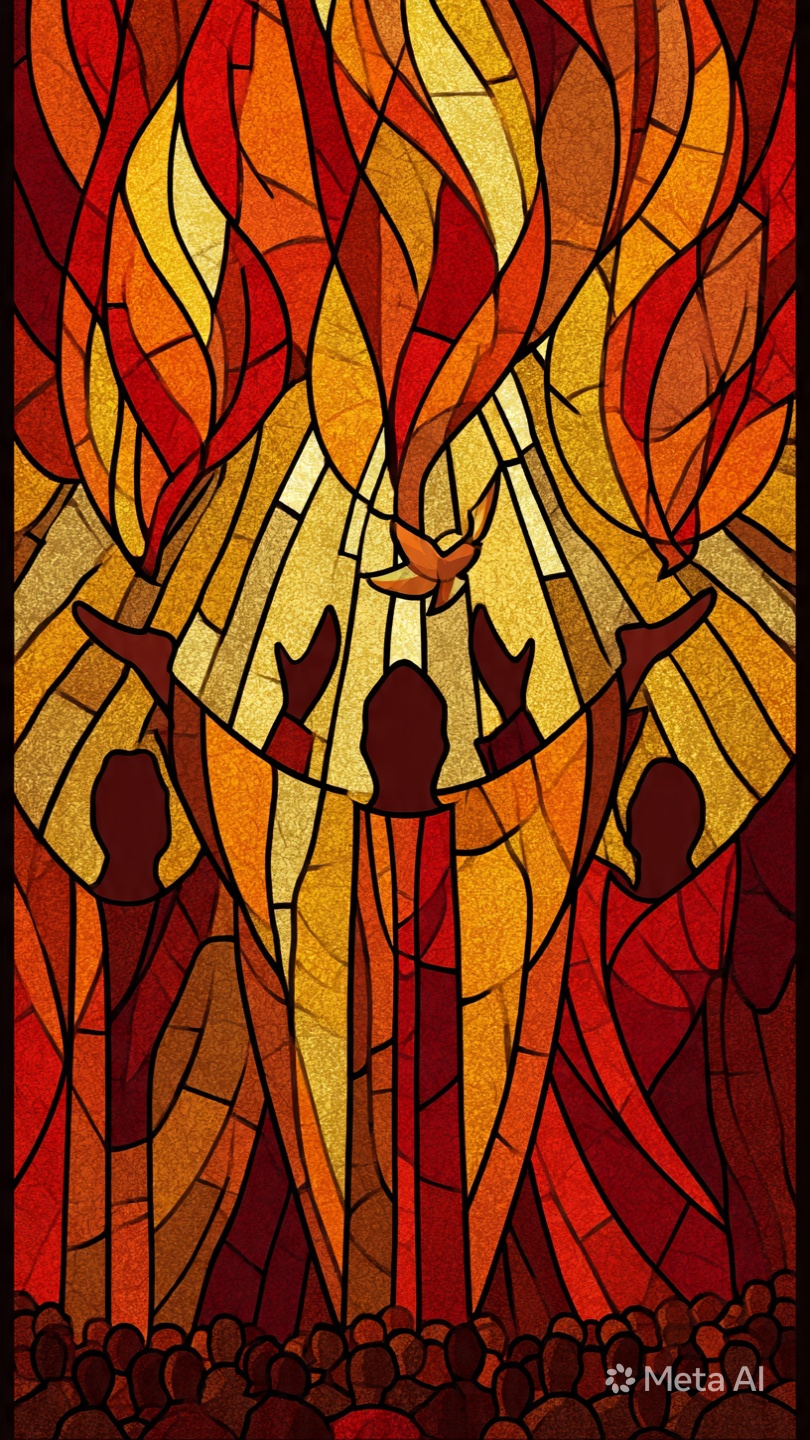
Secondly, for those who feel voiceless, Pentecost’s image of tongues of fire and speech in many languages reminds us that God equips ordinary people to communicate truth across divides and to name injustice in ways others can hear.
Finally, the feast and the homily preached to celebrate it can therefore be understood as both spiritual encouragement and a theological warrant for ethically speaking out against social evils rather than remaining silent.
We must always remind ourselves that Catholic social teaching links human dignity, solidarity, and the common good (John 10:10). The outpouring of the Spirit on Pentecost should be seen as a spiritual transfusion, empowering Catholics to develop the courage needed to help create communities where protection of the poor and resistance to structures that harm them become defining features.
By implication, Pentecost should embolden us to speak out against all those whose actions violate the principle of the common good. The need for such bold witness is particularly acute in contexts where public funds are abused and institutions fail. Pentecost can therefore reframe protest and advocacy as communal, faith-rooted obligations aimed at protecting the vulnerable and reclaiming public life for just ends.
Let me end by reaffirming the obvious: Pentecost gives Catholics both the inner courage to speak and the communal framework to act. It sanctifies public engagement by making speaking out a form of Christian witness aimed at restoring dignity and the common good in a society weakened by corruption and silence. Seen in this way, using a homily to invite Catholics to speak up against injustice becomes both a social and spiritual obligation, and indeed, an elevating one.

