

 The geography of food shows the peculiarities and patterns of food production and consumption across the world or in particular territories. It tells a tapestry of stories of the individuals or communities where they are found and consumed. Food is a key component and marker of any culture.
Peculiar food types are found in particular places and are promoted by persons embedded in such places. The geography of food is largely determined by the type of plants and animal species prevalent in particular areas. The spread of plants and animals across the world is largely dispersed according to the climatic realities of various territories. Available food sources determine our cuisine, support our health needs and impact economic, socio-cultural and religious activities.
Plants-based foods begin their journeys to our plates as seeds. Considering that seeds are essentially whole plants or animals covered by a seed coat, it is correct to say…
View original post 1,637 more words
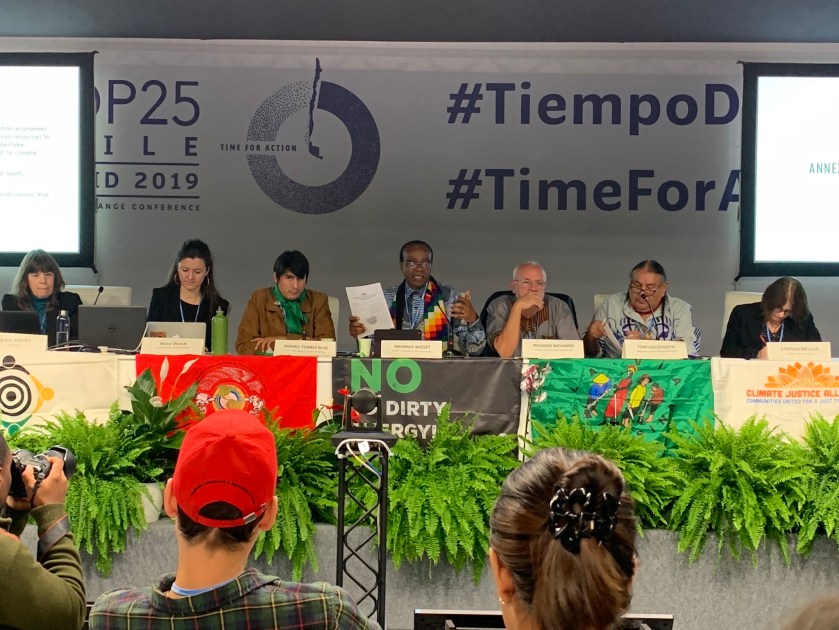 We have entered the era of Nature-based colonialism. Call it the Green Colonialism. The gloves are coming off. The climate crisis in the world is being approached as a mere unfolding change, as business opportunities and not as an emergency that requires drastic action. Nations are comfortable to spend decades on talks and pretend they have ample time to procrastinate or deflect actions. However, this is not a time for propping up fictional ideas and carbon mathematics as though the cycles of Mother Earth are ordered according to some calculus or algorithms.
 Reflections